
Visit the Pūharakeknui/Styx River
There are so many places to explore!
-
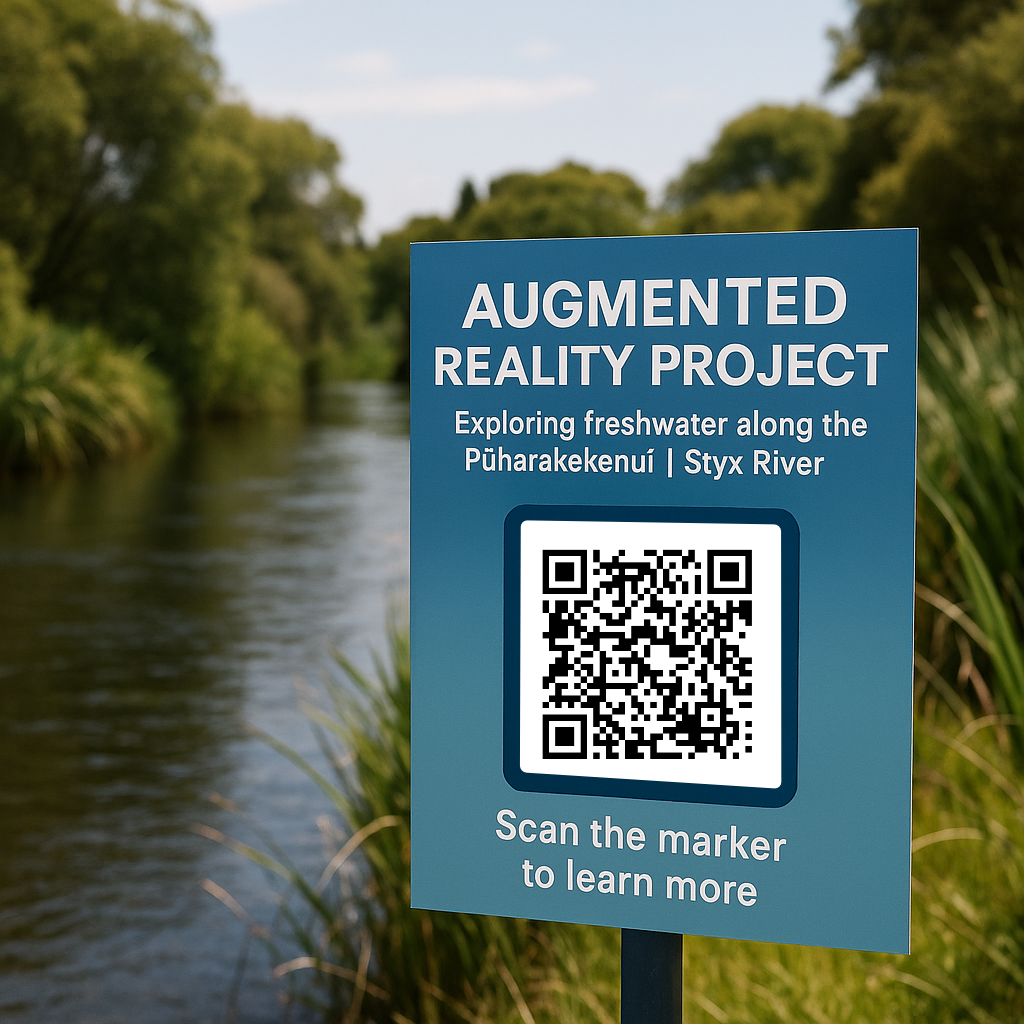
Augmented Reality Program
H5P technology has been used to give visitors to the Styx the opportunity to 'see' healthy and unhealthy underwater environments from the perspective of native freshwater species. You can see and hear the impact of pollution and sediment from the perspective of tuna (eels), waterbirds and invertebrates.
-
Pūharakekenui Post
Dear friend,
Pūharakekenui|Styx is a river catchment in the north of Ōtautahi/Christchurch which I’d love you to visit. There are many beautiful sites along the awa (river) and its tributaries. It’s peaceful and being in te taiao (nature) during these times is restorative. You might even find some fruit on the trees at this time of year.
I’ve picked some places you might like to see. I’ve put some little cache drawers with postcards, pencils, and prompts at various tables and benches in the catchment, so you can draw me a picture and write me back. I’ll be creating art and poems from the postcards I receive.
Looking forward to hearing from you,
Khye
Creative Communicator - Pūharakekenui Styx Living Laboratory Trust, 2024
-
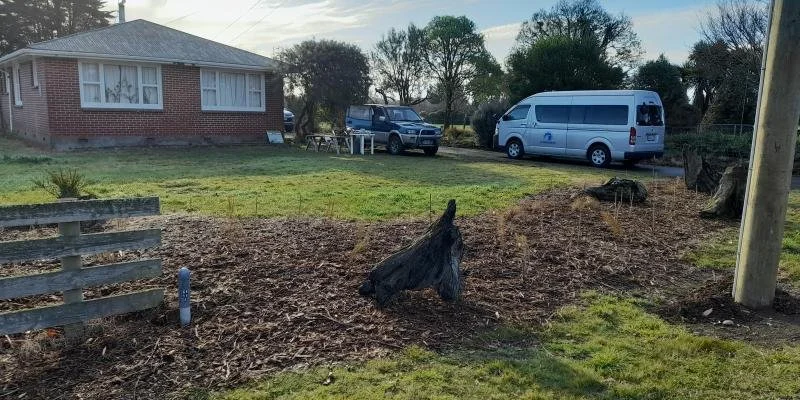
Christine Heremaia Field Centre
Located at 75 Lower Styx Road, Bottle Lake.
It is the operational base of the Styx Living Laboratory Trust Staff and is used as a community hub. The Field Centre is located right beside the beautiful Pūharakekenui/ Styx River Reserve.
Drop in and say hello to our staff and volunteers, see how you can get involved and experience the magic of the Pūharakekenui.
-
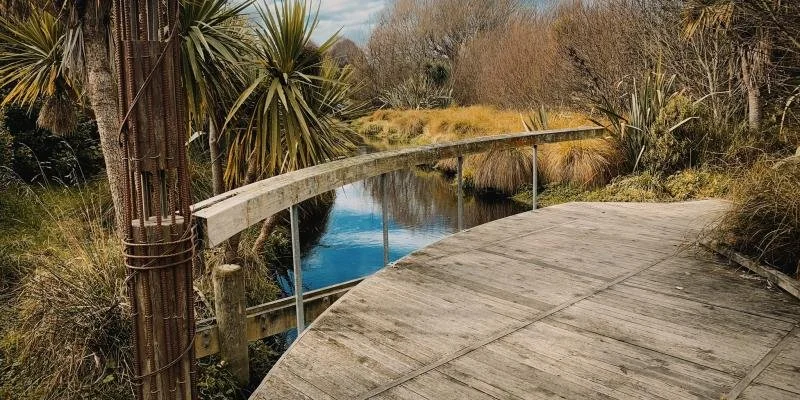
Ouruhia Reserve
Ouruhia Reserve has a number of short beautiful walks along Kā Pūtahi Creek. Visitors can walk through native forest plantings or walk up to the cycleway along the motorway. This Reserve also has a playground, flying fox, free BBQ and much more!
-

Regents Park
Regents Park open waterway was constructed during the early 1990's by partially diverting a drain running alongside the Main North Railway line.
Downstream from a created pond designed to act as a sediment trap, the diverted waterway runs through an attractive tree-shaded gully of overhanging ferns.
In this stretch of waterway some of the largest upland bullies have been discovered.
-
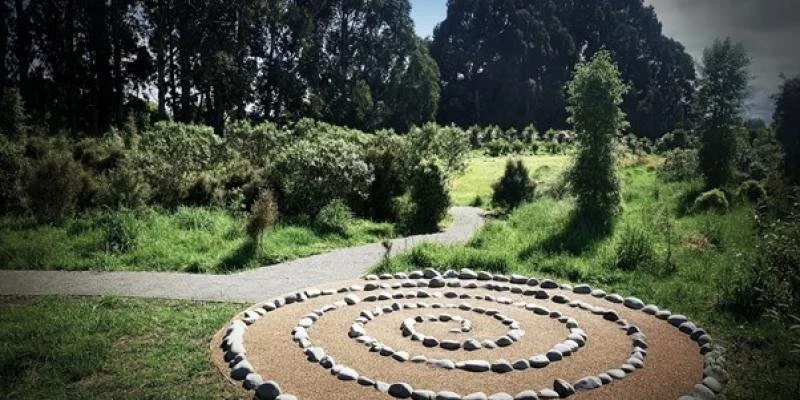
Rongoā Māori Demonstration Site
Come take a stroll through native New Zealand plants leading to the newly created traditional Māori talking circles and the Ka Putahi Creek.
Located at 567 Marshland Road.
-
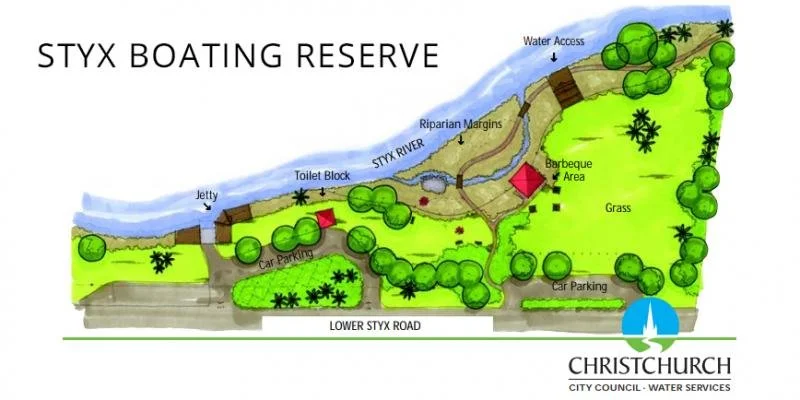
Styx River Boating Reserve
The Styx River Boating Reserve, situated adjacent to the river near Earlham Road, Brooklands contains a concrete boat ramp, some seating and a small area for car parking.
-
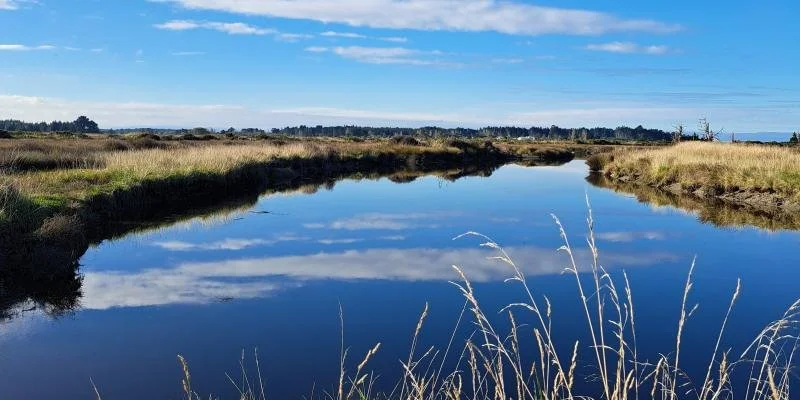
Styx River Mouth Conservation Reserve
The Styx River Mouth Conservation Reserve is a short 2 km loop. It is a perfect spot for an easy family stroll, picnic, photography or birding. This lesser known hidden gem is a peaceful location with stunning riverside scenery, the distant Southern Alps, and significant salt marsh and wetland habitats.
For a longer walk, connect up to the Te Rauakaaka Trail, and Templars Island Trail.
To access the park head to 20 Harbour Road, Brooklands, Christchurch
-
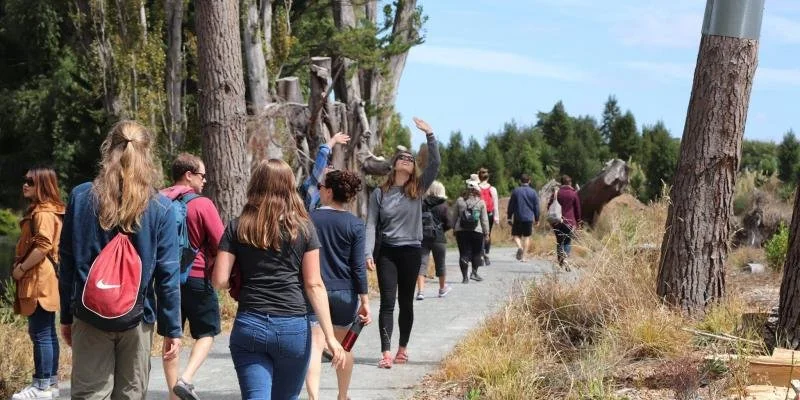
Te Waoku Kahikatea Reserve
Walk through eight hectares of planted native forest, natural waterways and lakes, in one of Christchurch's newest Regional Parks.
The old "Boyd's Place" is now City Council land, and a great area for learning about river conservation, and taking a walk along the Styx River.
The area is part of the Styx Source to Sea experience.
Farm sheds serve as an open-air classroom for those interested in learning about river monitoring & community science.
-

Redwood Springs Park
A riverside walk to a bubbling spring and destination playground are features of Styx River Conservation Reserve in Redwood Springs.
One of the best examples of active springs can be seen here. The spring bubbles up in a pool about 3 metres wide. A feature has been made of the pool, with seating and a sculptural canopy reflecting flax fronds waving in the wind.
A large playground and picnic area is near the east end of the reserve.
A walking track follows along the river’s edge from the playground to the springs area, past ponds and through native plantings. Allow approximately 40 minutes return.
-
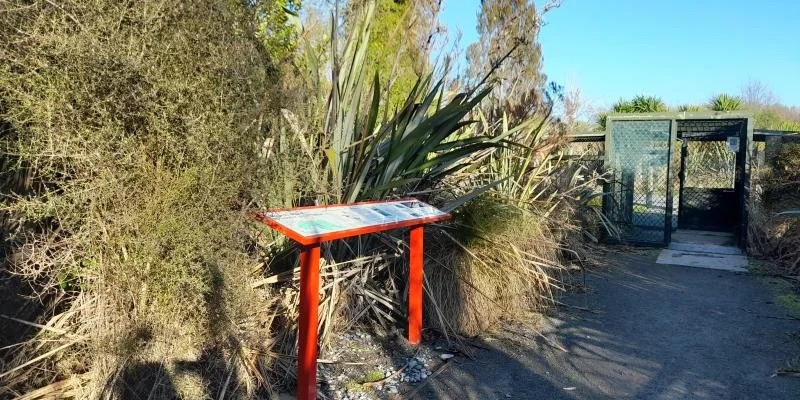
Styx Mill Conservation Reserve
Some say the original namesake mill was a sawmill; others say a flaxmill.
Later, when this area became a rich centre for wheat growing, the mill was converted to produce flour. Milling at this site finally ceased about the time of the First World War.
Until the early 1970's, the wetlands stayed relatively undeveloped until purchased by the former Waimairi District Council.
In 1986 that Council approved a Development Plan for the Reserve. However, the Council did not survive long enough to oversee the implementation of that Plan.
With amalgamation of Councils in 1989, ownership of the land passed to the Christchurch City Council.
In 1993 the 1986 Plan was updated and modified and the first obvious development was the construction of the three ponds in 1994/95. The toilet block followed in 1996/97 and the Styx Mill Road car park and bus stop in 2002. The dog park was added to the concept and constructed during the late 1990s.
Management of land adjacent to the reserve has also undergone significant change as the large apple orchards to both the north and south of the Reserve have been replaced by the residential subdivisions known as Northwood and Regent’s Park.
With the addition of various smaller pieces of land, Styx Mill Conservation Reserve now covers 60 hectares and is classified as a Metropolitan Regional Park. These parks exist to fill the gap between smaller urban parks and large national parks. Any Plan for this Reserve must also comply with the 40 Year Styx Vision the Community has already established for the Styx catchment.In the development of this site, a ‘values based’ approach to waterway and wetland restoration was used. This approach recognises the following values: ecology, heritage, cultural, landscape, drainage, and recreation.
For some fun with the kids or by yourself check out our new self-guided walk brochure to learn even more about this special place!
-

Janet Stewart Reserve
Edward Stewart bequeathed the land to the Christchurch City Council in 1993 on the condition that it became a reserve named in honour of his mother, Margaret Jane Stewart, or Janet as she was commonly called.
Janet Stewart Reserve is one of the earliest examples in Christchurch where a ‘values based’ approach to the restoration of a waterway and wetland was used. This approach recognises the following values: ecology, heritage, cultural, landscape, drainage, and recreation.Margaret Jane Stewart (known as Janet)
(25 September 1896 - 10 September 1957)
Born to Margaret Pope at Governors Bay on 25 September 1896, Janet was the third daughter of a family of five girls. She spent her early years at the family home in Governors Bay. On 24 September 1919 she married John Henry Stewart who had recently returned from four years active service in World War I. A rehabilitation farm was purchased at 119 Lower Styx Road and there Janet and John raised a family of seven children: John Douglas, Lily Margaret (Mrs Marsh), Edmond Charles (Eddy), Ethel May (Mrs Kidd), Roy William, Bruce, and Joan Doreen (Mrs Gardyne).
Bringing up a family in those days was not an easy task; in addition to caring for the family, Janet rose early and by 5.30am would be in the cowshed alongside her husband as they milked the cows by hand. This she did morning and evening until a milking machine was finally installed in 1945.
On 19 July 1946 Edmond purchased a 5-acre property on the corner of Marshland & Lower Styx Roads. At that time this low-lying land was covered in rushes and frequently flooded. During the mid forties John (junior) and his bride Jean lived in the original cottage of four rooms with its adjoining bathroom/laundry. At a later stage, during the 1950’s, Bruce and his wife, Doreen, used this cottage as their home.
Edmond (who never married) and his younger brother Roy cleared the property of rushes and cultivated it, at one time growing onions and a type of cow fodder called mangolds. Eventually the cottage was demolished and the whole area sown in grass. For more than thirty years the grass was used for making hay and grazing cattle from the family farm along the road at 119 Lower Styx Road.
When Janet and John died (Janet 10.9.1957, John 6.8.1959) the family farm was taken over by two of their sons, Edmond and Roy.
On 25 August 1993 a letter from the New Brighton Law Office was sent to, “The Town Clerk, Christchurch City Council”, advising that Edmond Charles had died on 10 July 1993. In his will he had bequeathed to the Council the property at 8 Lower Styx Road, Christchurch “for the purposes of a reserve to be named “Janet Stewart Reserve” in memory of Mr Stewart’s mother.”
Family members remember their Mum, Janet, as being a hard worker who possessed a well-developed sense of humour. Even when times were tough during the Depression years she always had a meal on the table. These occasions, often shared on Sunday with relatives from the city, were a “time of lots of laughs.”
Janet Stewart Reserve, on the corner of Marshland and Lower Styx Roads, now stands as a son’s tribute to his resourceful and hardworking mother.