
Connect with the Pūharakekenui catchment through
the imaginations of its Creative Communicators
Every year since 2022, three artists spend 12 weeks each exploring the Pūharakekenui Styx River catchment and interpreting aspects of the catchment in a creative way.
Creative Communicator Projects
Meet the Artists
-
Dr Jo Burzynska
SENSORY MAP OF THE STYX PŪHARAKEKENUI
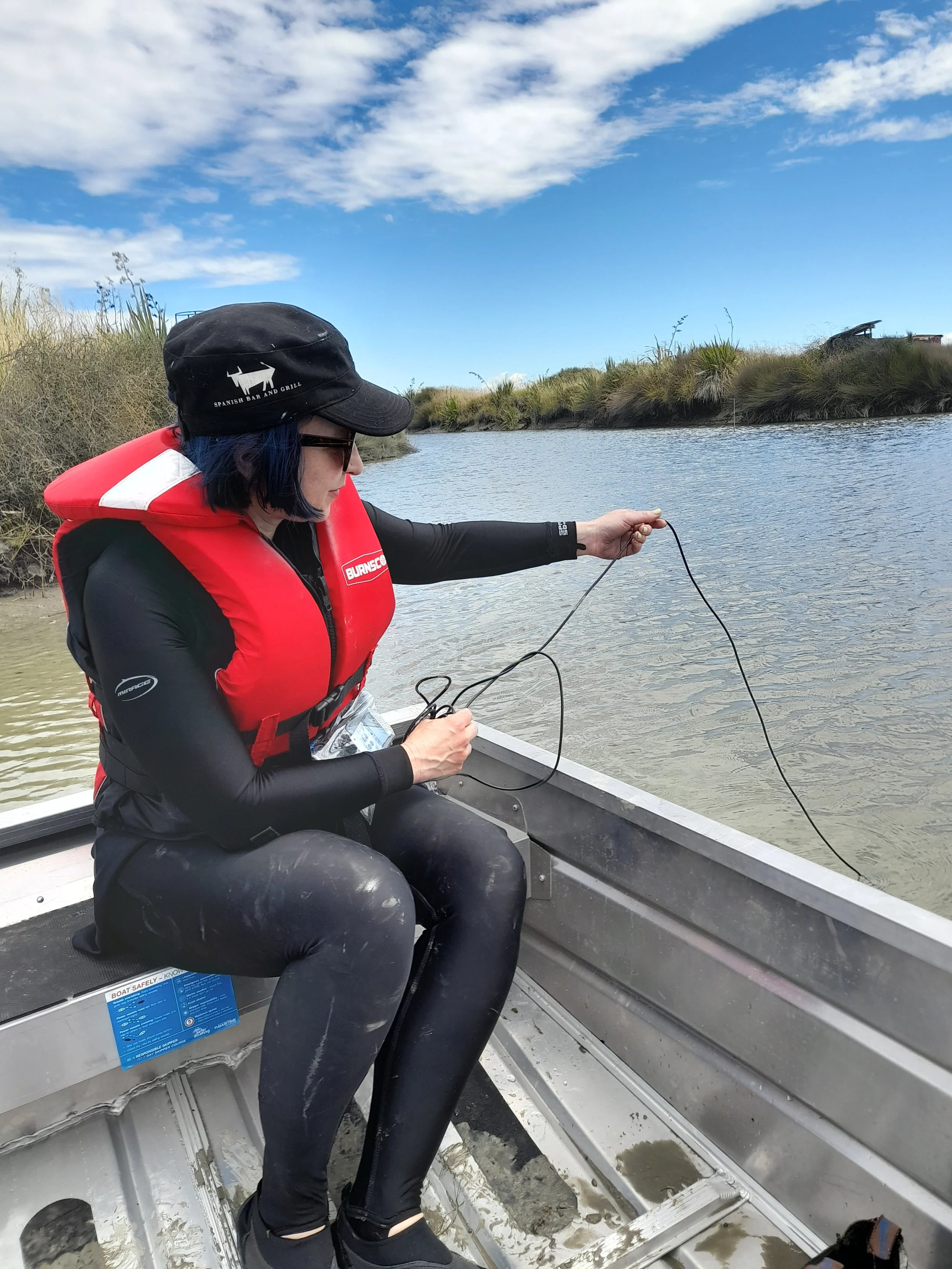
Dr Jo Burzynska created an interactive sensory map from her multisensory explorations of the Pūharakekenui. Engaging with the sensory, cultural, historical and conservational dimensions of the catchment, her soundscapes and accompanying nonvisual sensory descriptions draw attention to some of the less conspicuous aspects of the human and more-than-human lives lived on the river’s banks and in its waters.
Five specific sites emerged as particularly resonant, which became five works representing points on a sensory map following the river from the sea to its suburban source. These are accessible from the actual sites in the catchment and online here.
The works encompass underwater sounds, from the bubbling of the springs that feed the river to the frenetic activity of the aquatic invertebrates that thrive in a healthy freshwater ecosystem; to human interactions with the environment, such as traditional rongoā Māori healing practices, and residents navigating life as minority species in a post-eathquake red zone.
Dr Jo Burzynska is a multimedia artist, researcher and writer. Her central practice of sound, which regularly uses her own field recordings, has increasingly converged with the sensory dimensions of her parallel career as a widely published wine writer. This has resulted in the production of multisensory works that regularly combine sound, taste, touch, and the scents she often distills herself. Burzynska’s active engagement in research into sensory interactions and their creative application in artworks has been informed by collaborations with psychologists and sensory scientists, and was the focus of her doctoral thesis. Using the creative and contemplative sensory techniques she has developed, Burzynska is interested in how the senses can be used in aesthetic explorations of connections between people and place, nature and culture.
-
Bridget Allen
POSTCARDS FROM THE RIVER
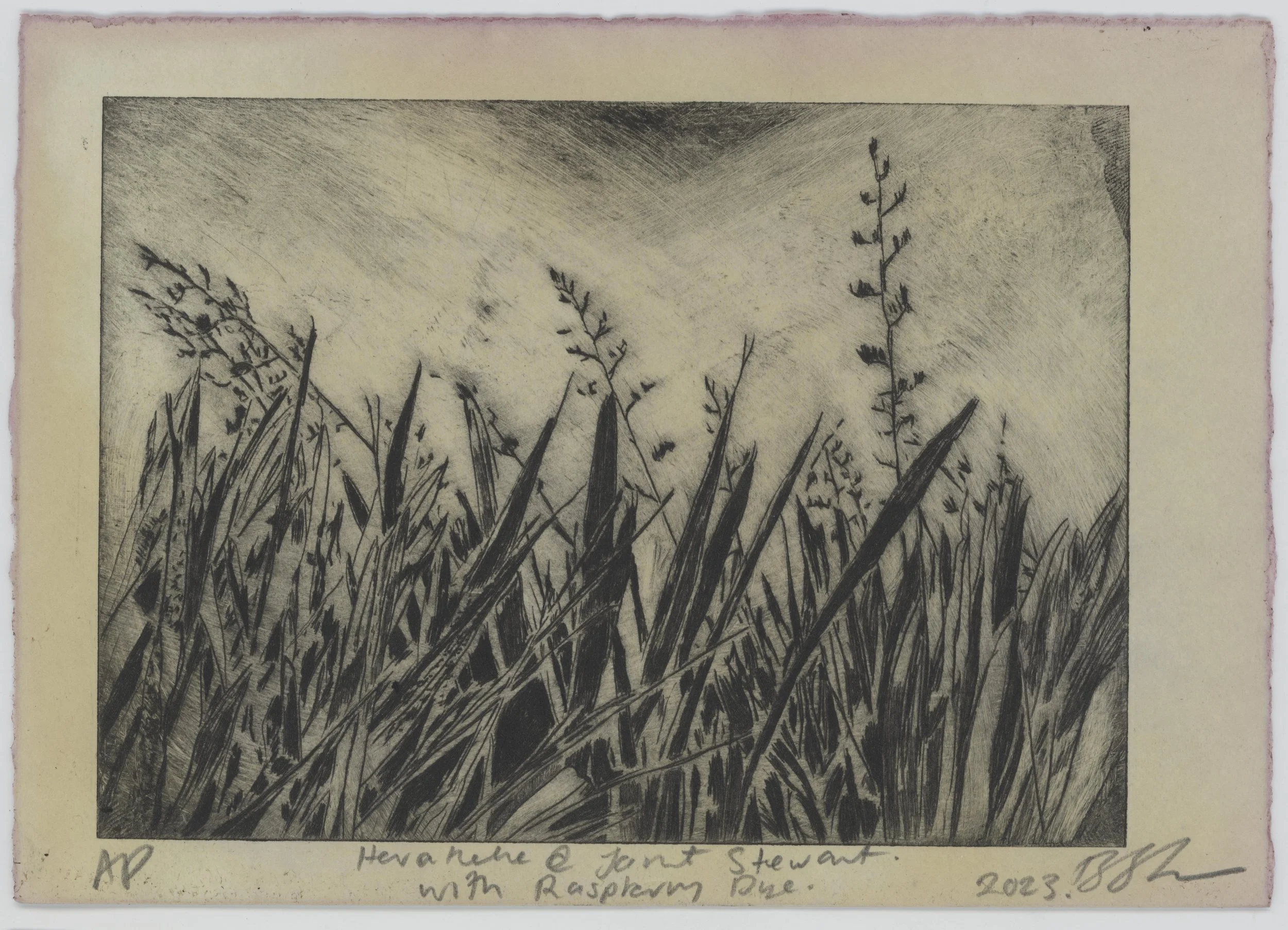
After finishing the final year of studying landscape architecture, Bridget Allen had a 3-month artist residency as Creative Communicator with the Styx Living Laboratory Trust. This offered a very unique opportunity as her major design site was within the river catchment of the Puharakekenui/Styx River. She was able to look at the river catchment from both a landscape architect and artist lens. She set up a printmaking studio at the Christine Heremaia Field Centre and over the summer made postcards from the river using the intaglio printmaking process of dry point etching. She made dye from plant matter that had been found within the river catchment, in which the paper was soaked.
Bridget Allen completed a BFA, majoring in sculpture, and her main interest was researching various forms of green sculpture, horticulture, and landscape design. This allowed her to work and visit amazing gardens like the Eden Project and run her own gardening business. This led her to study landscape architecture at Lincoln University and finish her bachelor's in 2022. In between degrees, Bridget developed community projects that focus on social equality and waste reduction. She co-founded the New Brighton Stitch-O-Mat Charitable Trust, a community sewing room that sews projects for the local community. Bridget also runs drypoint workshops called ‘Pop-up Printmaking’. These workshops are location-specific, using a portable printmaking press and historic photos of the area. Her own art practice focuses on woodblock printmaking, locally changing landscapes, botanicals, and mountain biking tracks around the South Island of Aotearoa.
-
Khye Hitchcock
PŪHARAKEKENUI POST
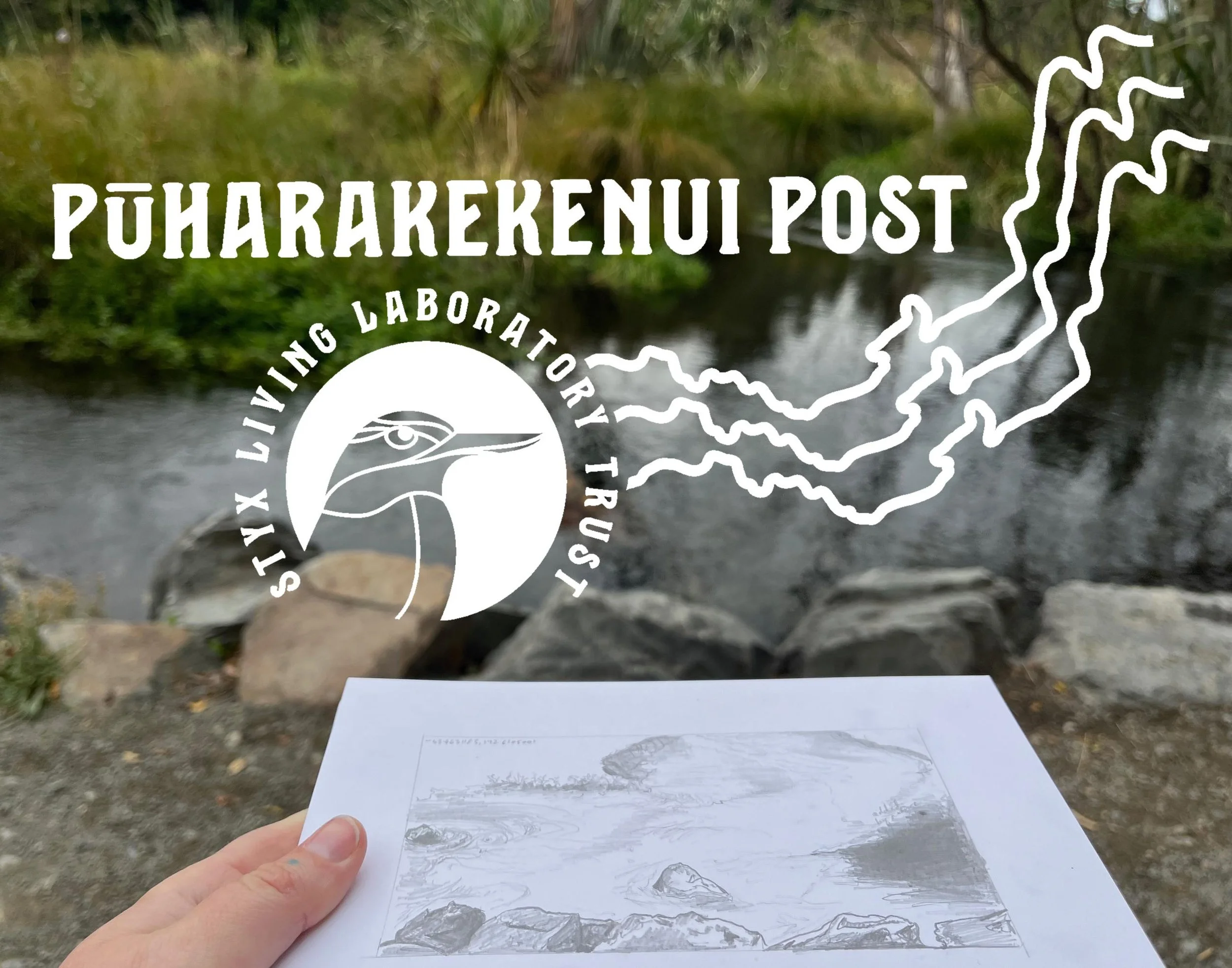
Khye Hitchcock installed small caches with postcards, pencils, and prompts long the Pūharakekenui | Styx River Catchment. The sites were chosen, in collaboration with the Pūharakekenui Styx Living Laboratory team, in beautiful places where ecological restoration work has taken place or is underway. Each cache is at a seat or picnic table where people could pause for a while, read the prompts Khye's written, and perhaps draw and write their own postcard to send back to Khye and the Trust. In return they got to keep a Pūharakekenui Post pencil!Find out where the locations are to visit here
Khye Hitchcock (they/them) is a creative, producer, and curator based in Ōtautahi Christchurch. They are interested in generosity, as well as collaborative and experimental modes of creative practice. They seek to prioritise community and unsettle hegemonic systems. Their fields of interest include enviornmental art, performance practices, queer and feminist praxis, and tactical urbanism. Between 2018-2023, Khye was the Director of The Green Lab, a non profit organisation that creates green spaces for social good. They have also contracted with Te Pūtahi - Centre for Architecture and Citymaking since 2018. They frequently volunteer with LGBTQIA+ organisations including as Qtopia, InsideOUT, and Kahukura Pounamu. Khye has a MFA from Elam (2012) and has held various curatorial roles including at Artspace Aotearoa, SCAPE Public Art and Toi Moroki CoCA. -

Tim J. Veling
PŪHARAKEKENUI: COLOUR AND LIGHT
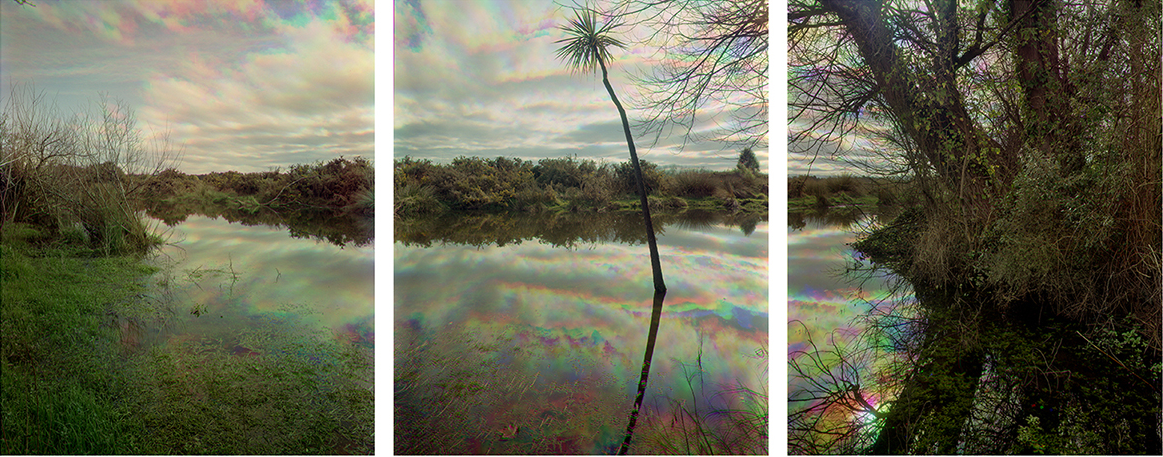
Tim J. Veling travelled the length of the Pūharakekenui/Styx River searching for places of quiet contemplation and elusive beauty. Inspired by the vision of establishing a ‘Source to Sea’ walkway for people to experience and learn about the environment, it’s rich ecosystems, cultural significance and narratives, Veling made topographical photo-maps at key and lesser-known sites on the river’s edge in an attempt to capture fleeting plays of light and the changeable atmosphere that makes this body of water special.Using a Linhof view camera and black and white film – a tool and medium with roots firmly planted in the 19th Century – Veling filtered the light of each scene through successive red, green and blue gels, making separate monochrome records of the luminosity of each respective colour within a given moment. These records were then filtered back through the same filters during the film scanning / printing stage, then combined to create a composite-colour image. Because of the time that passes between changing filters in the field, as well as the fact that film never truly sits flat within the camera, the resulting composite prints exhibit colour fringing and overlapping, sometimes ghostly details. These qualities reveal something felt but not often fully comprehended when standing in situ; light of transcendent and redeeming potential – even in places of obvious environmental neglect, the light serves to remind us that restoration is not too late.
Further work can be seen in an outdoor exhibition at Te Waoku Kahikatea/Radcliffe Road Reserve in Belfast.
Tim J. Veling’s practice is primarily focused on issues and people close to home and heart. His work straddles the genres of fine art and documentary photography. He has exhibited nationally and internationally. Tim lectures in photography at the University of Canterbury School of Fine Arts, New Zealand. He is the director and administrator of Place in Time: The Christchurch Documentary Project.
-
Lucy Dolan Kang
THE RIVER’S SONG
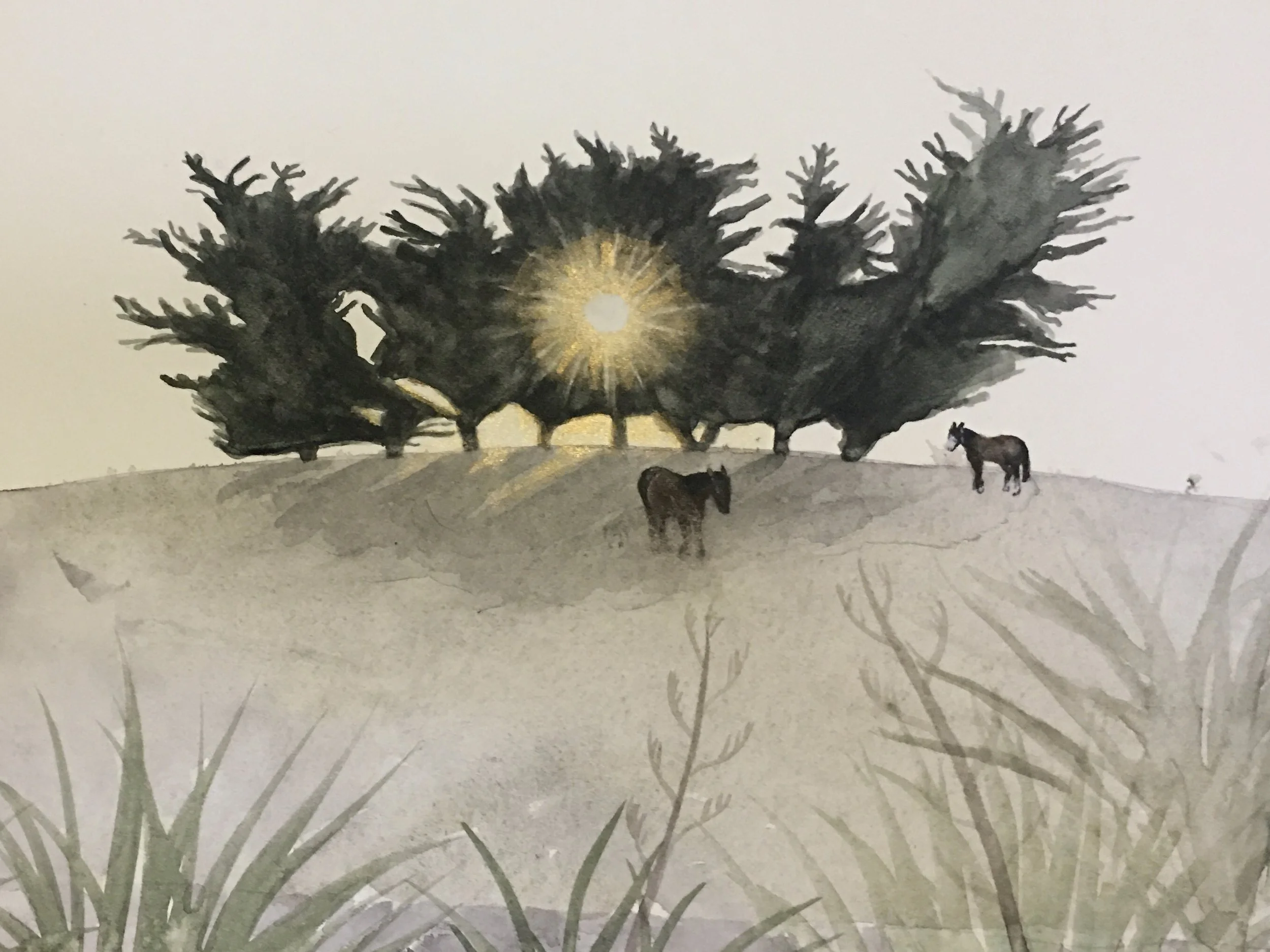
The River's Song is a 4 metre long scroll painted in watercolour combined with pigments gathered from the area and water from the springs of Kā Pūtahi stream. Viewed as an unveiling image the intention was to represent the flow of a river weaving across land and time.
During my residency at Pūharakekenui I spent a lot of time communing with the river and listening to its history, the memory of which I believe remains energetically held within the water and riverbanks.
I felt the presence of ghosts and ancestors, both my own and of those long before me. I heard stories of Māori and European connection to the area, a rich source for mahinga kai and harakeke, the site of a battle, a mother’s corpse carried over land, a funeral procession of sheep. Similar to the Styx of the underworld, te awa was also a sacred pathway for the dead to be cleansed and carried (guided by Kōtuku) to their spiritual home.
Lucy Dolan Kang was born in 1978 in Christchurch, New Zealand; and received a Bachelor of Design from Ara Institute of Technology in 2000. She was recipient of the William Hodges Fellowship in 2005 and inaugural artist in residence for the Pūharakekenui Trust in 2022. She has exhibited regularly around New Zealand, and has been a finalist in many National Art Awards most recently awarded a Merit Prize in the 2023 Parkin Drawing Award; winning first place in the Sustainable Wool award and second runner up overall at the 2023 WoolOn Design Awards in Central Otago; and received the People’s Choice Award in the 2021 Zonta Women’s Art Awards in Ashburton.She currently works out of her home studio in Ōhinehau, Lyttelton.
-
Moana Lee
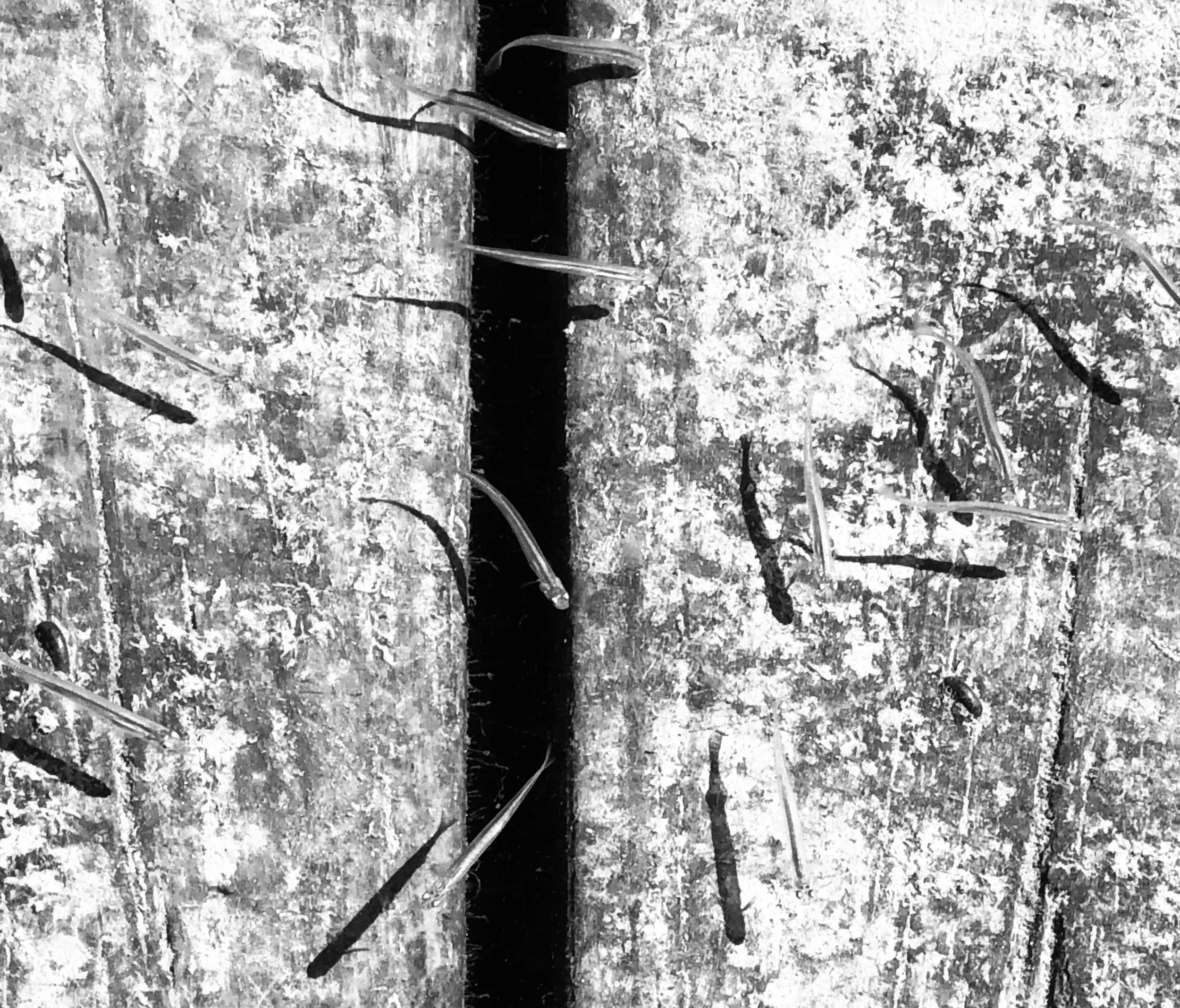
As I explored the Pūharakekenui/Styx river notions of my ancestors’ Druidic relationship to spring-fed bodies of water informed my time wandering beside this living entity. Parallel to te ao Māori, the Celtic world-view of spring-water is a similar portal to the earth mother. From the trickle of water of the spring itself to the brackish lagoon, I made photographs and gathered water for film-processing recipes incorporating coffee, washing soda, vitamin C and sea salt.
Moana Lee (she/her) works with plant-based photographic processes dating from mid 19th century to the present. In a combination of fine art and documentary genres, her passion for ethnobotany informs human trajectories and explores what it means to tangata Tiriti. Recent works have appeared in group shows including, A palmful of water, 2024 at Te Whare Hēra, and Legacy Issues, 2024 at Ashburton Art Gallery. -

Dominic Grace
During his time as Creative Communicator at the Styx Living Laboratory, Dominic Grace built a mōkihi and experimented with using raupō for paper production. The mōkihi was made using raupō and korari (flax flower stalks) which were gathered from the Pūharakekenui river catchment and sisal rope. The mōkihi was launched at Te Waoku Kapuka Reserve during Matariki 2024.
Dominic Grace (Kāi Tahu, Ngāti Maru, Pākehā), was born in Ōtautahi Christchurch and spent his childhood here. He has a Bachelor of Arts Honors (First Class) in Māori and Indigenous Studies from the University of Canterbury. His research has been focused on Māori material culture and the revitalisation of Mātauranga Māori and Indigenous Knowledge, with a specific focus on traditional tools, stone implements, mahinga kai and mōkihi. His passion for understanding nature and people has governed much of his life choices and experiences. This includes work that encourages people to live more sustainably, reconnect with nature, discover other ways of being and remember or relearn things that helped our ancestors travel the high seas to new lands and build ever evolving societies. He endeavours to do this with laughter and fun, connection and happiness. -
Hannah Beehre
WORKING WITH THE RIVER
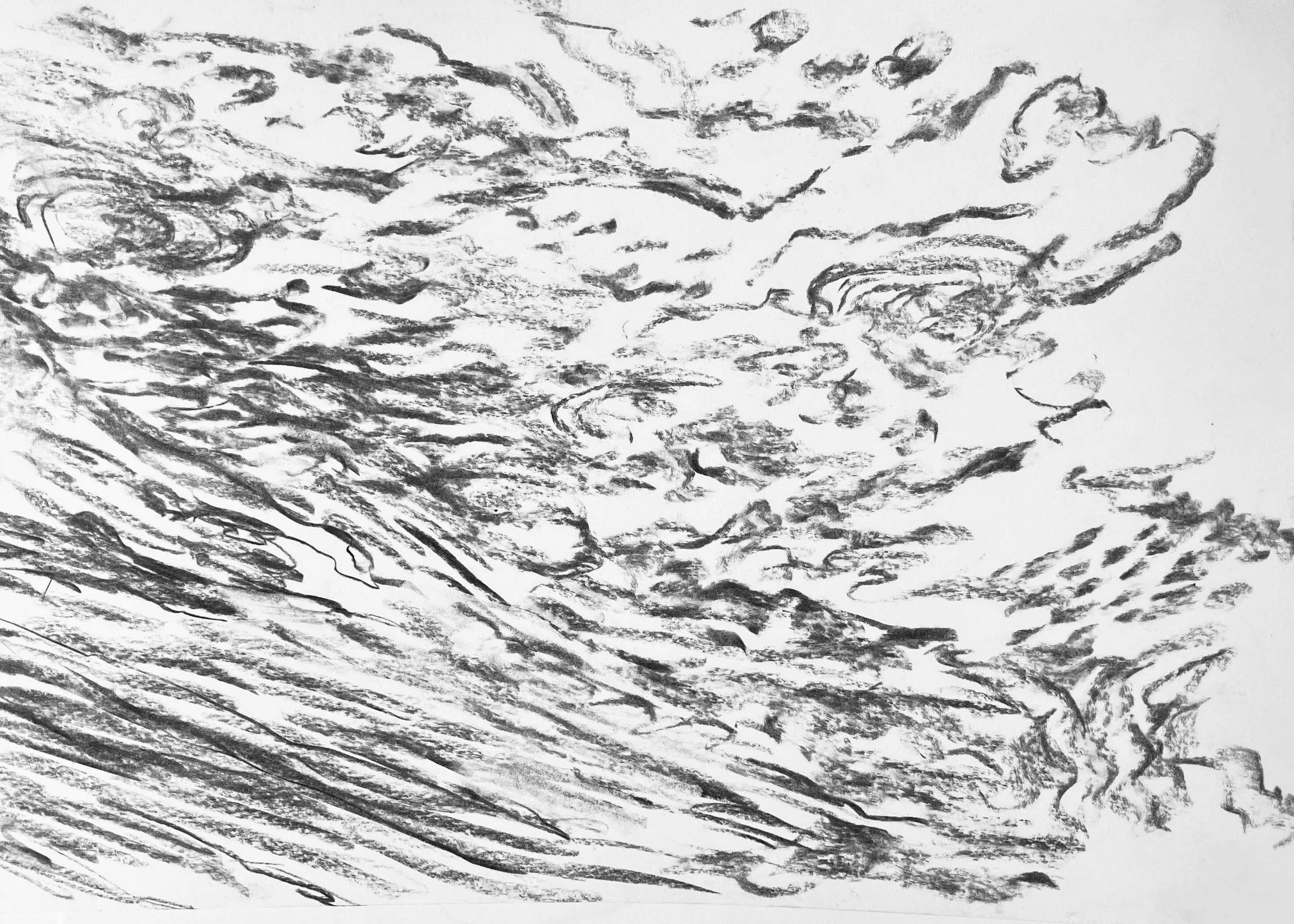
In 2023 artist Hannah Beehre began working on a drawing project with the waters of the Pūharakekenui, Styx River. She hoped to harness the current to create drawings. Instead, the river directed her to write. Hannah’s illustrated book, to be published at a later date, describes how she communicated with the river and what the river taught her about connection, human nature, and the future of our city.
With a professional practice spanning twenty years Hannah Beehre has shown in galleries and festivals in New Zealand and around the world. Hannah gained a Bachelor of Fine Arts from the University of Canterbury. She has been an Olivia Spencer Bower Trust Award Recipient and Artist in Residence at Scott Base, Antarctica. In 2016 she won the Parkin Prize for Drawing. -
Melissa Macleod
AS A HAWK CIRCLES
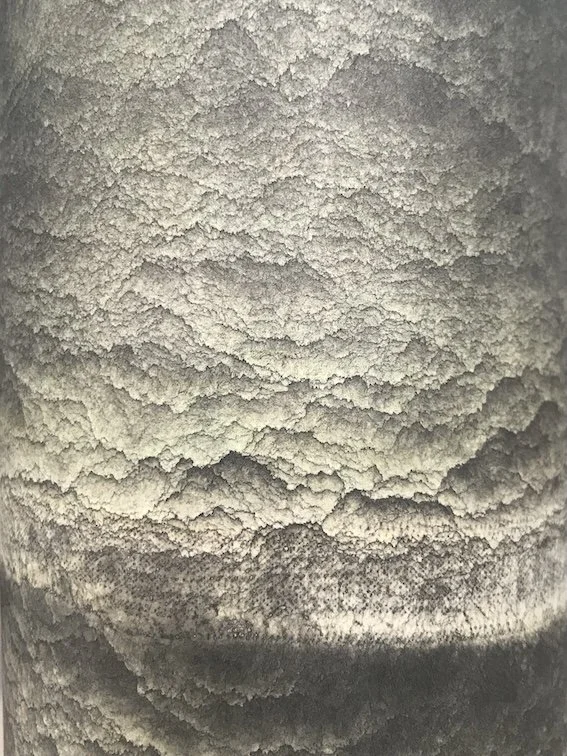
Melissa Macleod is an interdisciplinary artist working primarily across sculpture, photography and performance.Melissa has created an immersive installation, and body of underwater photography, that explores the value of water as a precious and cared for material. Using feedback from members of the public who have shared their favourite river locations and the colours they associate with these, she has collated water samples from the Pūharakekenui that represent iconic locations from the river’s source to the sea. From this she developed a range of river 'tones' that signify 28 distinctive sites.
-

Megan Brady
Megan Brady (Kāi Tahu - Ngāi Tūāhuriri, Pākehā) is a multidisciplinary artist based Ōtautahi Christchurch, Aotearoa New Zealand.
Working across sculpture, installation, and textiles, Megan’s practice explores the ways we navigate and connect with sites, often responding to the patterns and details of the environment.
Her work combines a deep engagement with themes of whakapapa, history, identity, and thefamily archive, with a focus on memories held within landscape. Through site-responsive installations, Megan invites viewers to engage with the sensory dimensions of space, fostering intimate connections between people, place, and the stories that shape both.
Each project is a continual exploration of how her identity and artistic expression are influenced by her surroundings and ancestral heritage. Megan is Creative Communicator at the Pūharakekenui Styx Living Lab October - December 2025.
-
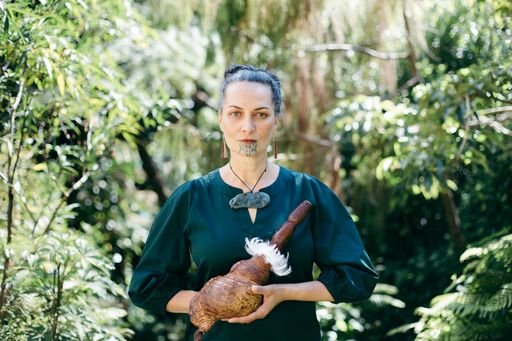
Ariana Tikao
Ariana Tikao is a musician, composer and writer whose compelling work explores her Kāi Tahu identity, and ancestral stories with an emphasis on wāhine narratives. She was awarded as a 2020 Arts Laureate by the Arts Foundation of New Zealand.
Ariana has three critically acclaimed solo albums, and has worked on many other collaborative music and multi-media projects spanning a 30-year creative career. She specialises in Aotearoa’s indigenous instruments, collectively known as taonga puoro. She has performed as a soloist and performer-composer with many of Aotearoa-New Zealand’s orchestras including the New Zealand Symphony Orchestra and the Christchurch Symphony Orchestra, as well as chamber ensembles Stroma and the New Zealand String Quartet.
In 2024 Ariana performed at the Pitt Rivers Museum as part of an ongoing collaboration for their Making the Museum project; performed with Sophia Acheson at the International Viola Congress in Brazil; and in 2025 collaborated with musicians and writers in Sweden and the UK.
Her writing has appeared in Takahē, Turbine|Kapohau, Landfall, and Cordite. She has also contributed poems, chapters, and essays to several books, including the award-winning Bill Hammond: Across the Evening Sky, and A Record Could Be Your Whole World (Ilam Press, 2024). In 2022, Ariana published her book Mokorua: My Story of Moko Kauae through Auckland University Press, and also completed her MA in Creative Writing through the International Institute of Modern Letters. In 2023 Ariana her book Te Rā: The Māori Sail was published, and she was an Ursula Bethell writer in residence at the University of Canterbury, where she worked on a collection of poetry Pepeha Portal which will be published by Otago University Press in April 2026.
Photo by Ebony Lamb.
-
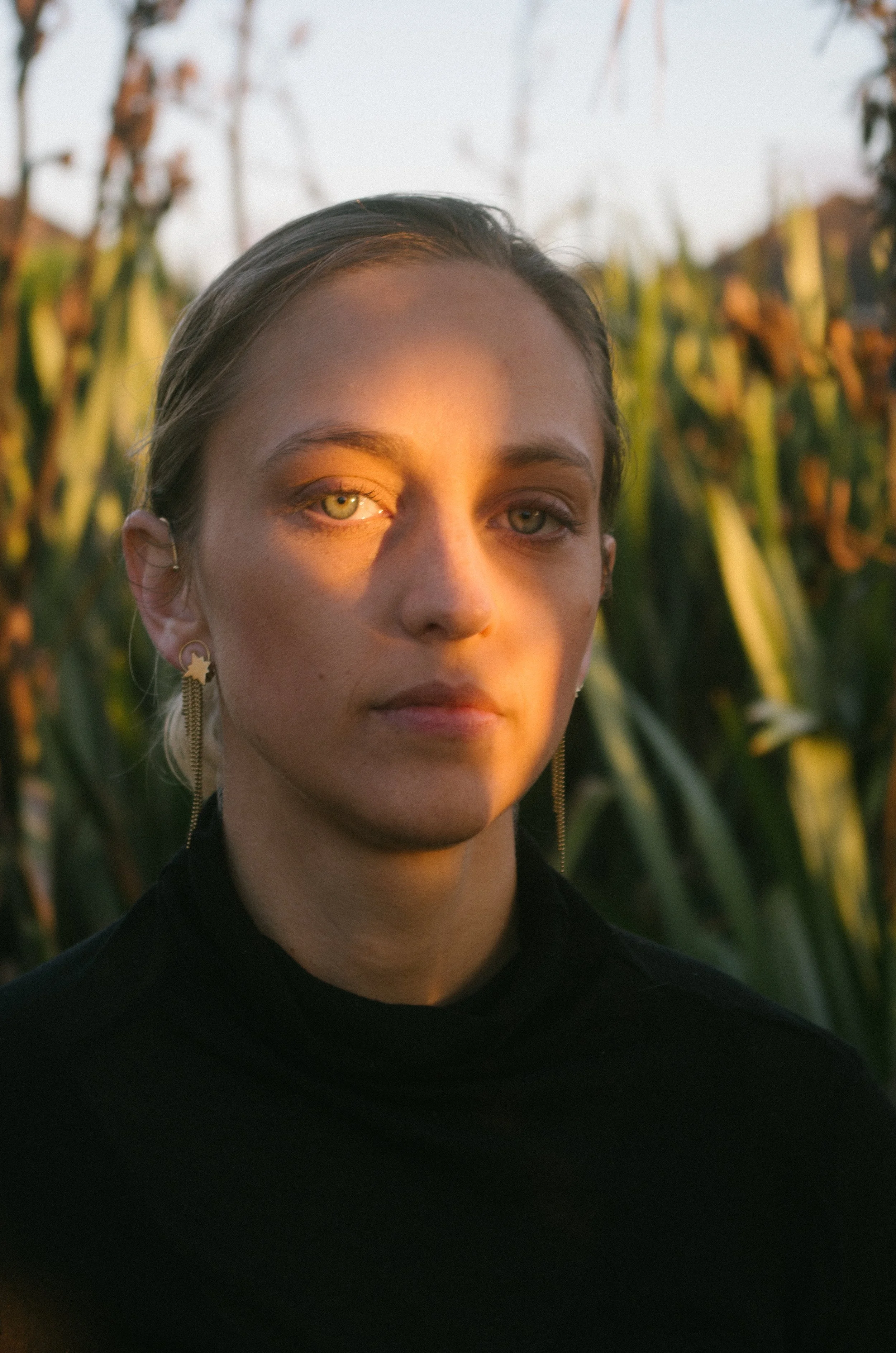
Heather Webb
Heather Webb is a guitarist, composer, and educator based in Ōtautahi, Aotearoa. With extensive experience across a range of musical disciplines, her work encompasses roles as a recording artist, composer, bandleader, and session musician, with a portfolio that spans jazz, theatre, pop, orchestra, and cross-disciplinary collaborations.
As the leader of Parallax, an ensemble dedicated to astrophysics-inspired jazz compositions, Webb explores the intersection of music and scientific inquiry. Her performances have been described as “an engaging blend of scientific and musical nerdery.” Reviewer Erin Harrington noted, “Webb offers fascinating context in her introductions, invites the room into her enthusiasms, ... leaves the audience wanting more... It’s a real joy to watch her own the space and lead the all-male band in something with such a clear and thoughtful creative point of view.” Parallax was aired in full on RNZ and is available on the RNZ website alongside Webb’s interview with Bryan Crump.
Webb is an active performer, appearing regularly with a wide range of artists and ensembles, including Christchurch Symphony Orchestra, Delaney Davidson, Merk, Rutene Spooner, Terrible Sons, Darren Pickering Small Worlds, and Motte. She has also performed at numerous jazz and arts festivals throughout Aotearoa. In recognition of her contributions to jazz, she was named among RNZ’s Top Women in Jazz in 2021.
As a composer, Webb has written for film, theatre, and commissioned works. Her contribution to Shiko (Rattle Records) received critical acclaim and was featured in RNZ’s Best of NZ Jazz list. Music critic Graham Reid described her composition as “evocatively atmospheric,” noting its ability to “glide between her and keyboards with a leisurely confidence which is both gentle but often on the precipice of unresolved tension. It’s a standout.”
Webb holds a Bachelor of Music (Hons) and a Master of Creative Practice (Distinction) and is a dedicated educator, serving as a guitar tutor at the University of Canterbury.