
eDNA Project
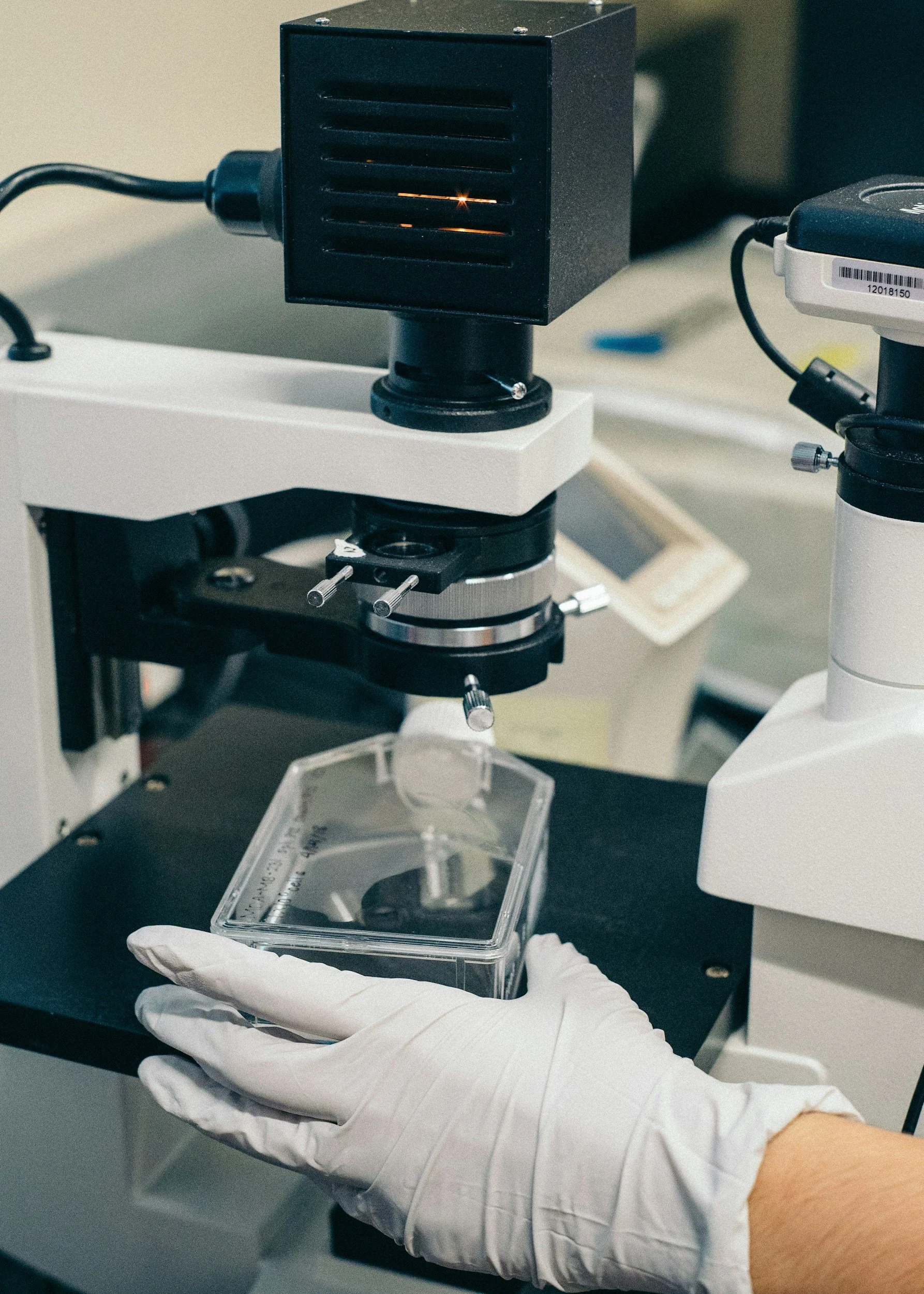
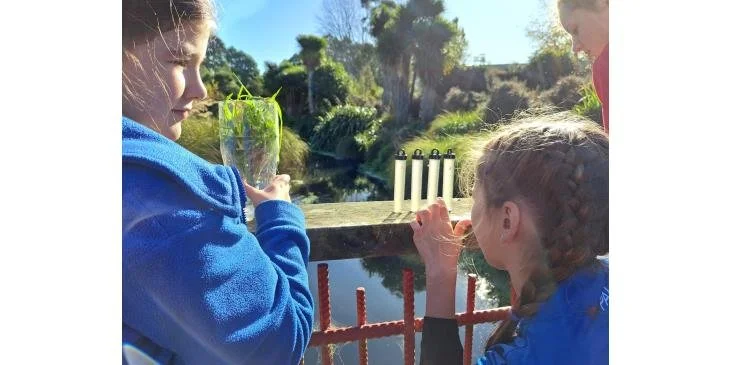
Environmental DNA (eDNA) allows us to detect the presence of species living in — or moving through — a waterway by analysing tiny fragments of DNA they leave behind. In 2022, the Styx Living Laboratory Trust collected water samples from six locations along the Pūharakekenui | Styx River to build a clearer picture of biodiversity in the catchment.


What We Found
Long-tailed bats (pekapeka-tou-roa)
DNA from the endangered long-tailed bat was detected in the Styx catchment — the first confirmed sign of the species here in more than 160 years.
Freshwater jellyfish
We also detected DNA from freshwater jellyfish, a species that only appears in Aotearoa sporadically and is rarely observed.
A fuller picture of local biodiversity
Additional species were identified across the six sample sites, helping us track ecological health and understand how the catchment is changing over time.
Why These Findings Matter
Monitoring eDNA in the Pūharakekenui | Styx River helps us:
Track biodiversity changes
Identify sensitive or declining species
Guide conservation and restoration work
Understand ecosystem health
Strengthen local ecological knowledge
This work supports long-term restoration, planning, and education across the Styx catchment.
Help Us Monitor Local Bats
If you think you’ve seen or heard long-tailed bats in your neighbourhood, we’d love to hear from you.
Please email us with:
Location
Date and time
What you saw or heard
Your contact details (optional)
Your sightings help us understand how this taonga species moves across Christchurch.
